



Interview with Director Khuong Ngoc on His Box Office Hit The Real Sister
Vietnamese family drama, The Real Sister, is for those who have a love-hate relationship with their sister. Directed by actor-director Khuong Ngoc, this heart-warming tale of five sisters is premiering now on CinemaWorld!
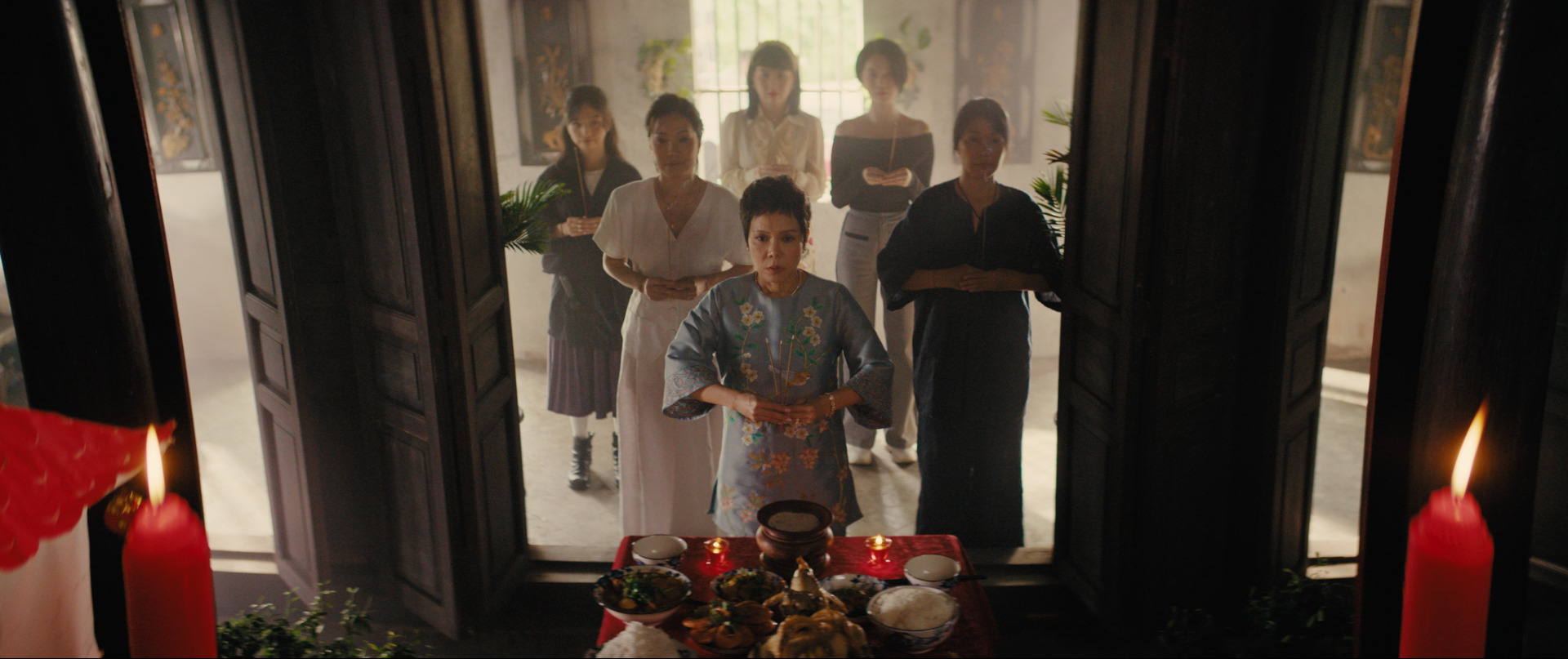
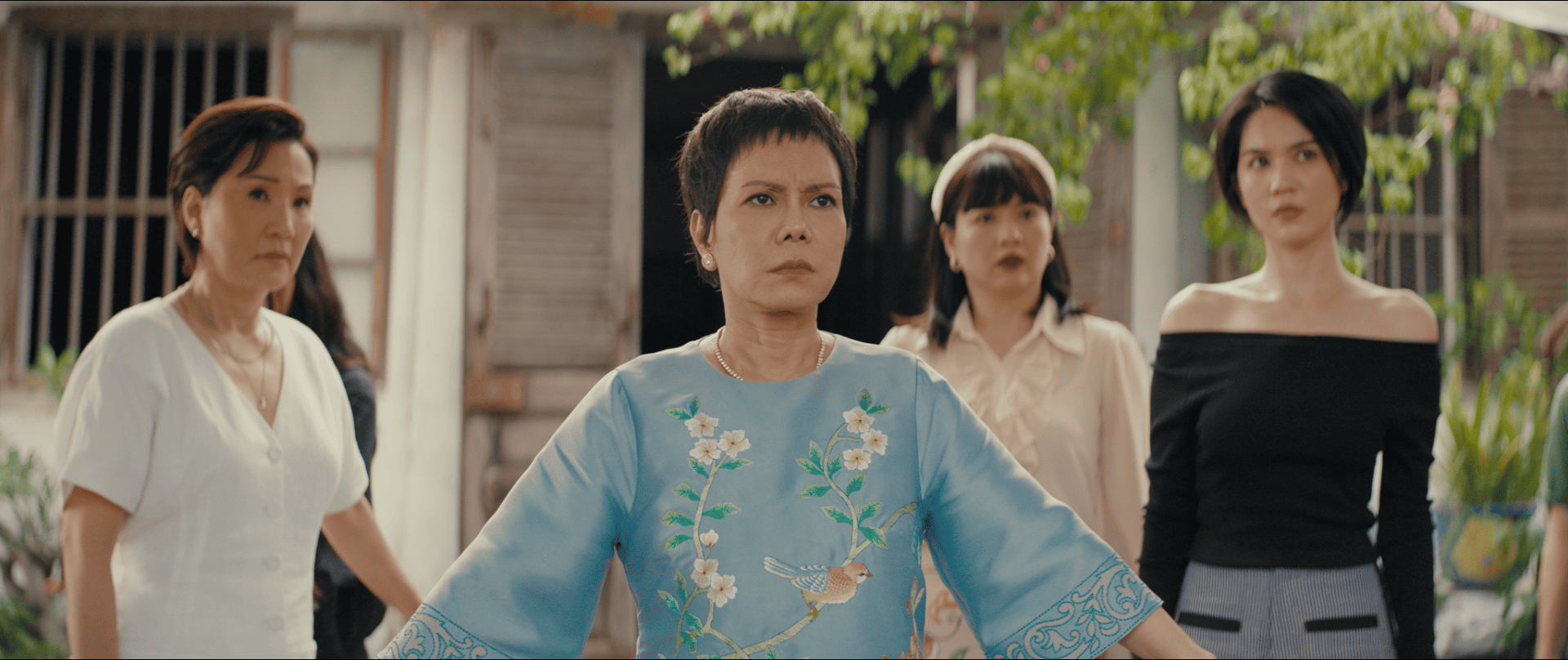
The film features some of the nation’s best veteran actresses, who play the five estranged sisters—Nhi (Viet Huong), Ky (Hong Dao), Anh (Dinh Y Nhung), Thu (Le Khanh), Nhu (Ngoc Trinh)—each bringing their own charm to their characters.
On the day of their late father’s death anniversary, Nhi, the oldest among them and the sister-in-law, gathers everyone at the crumbling ancestral home for a family reunion, only to unveil decades-long grudges and pain that threaten the sisters’ bond.
In celebration of its box office success and premiere on CinemaWorld, we have invited director Khuong Ngoc for an interview to share about the journey and inspiration behind the making of this film.
Contents have been edited for clarity.
Q: The original Vietnamese title translates literally to "Sister-in-Law," but the official English title is The Real Sister. What was the creative decision behind that change?
Khuong Ngoc: It’s true that the role the main character plays in this movie is the sister-in-law. But when we translated it to English, we wanted to provide a bigger meaning that encompasses both her role and her emotional position in the family, rather than just a traditional social hierarchy.
Rather than just adopting a traditional social or marital label after being married into this family, the main character, Nhi, has developed a nurturing bond with her in-laws. The Real Sister captures the feelings and the deep love behind that bond—she cares for them exactly like a real sister would.
And having no other close relatives around her, as her husband has passed and her own son lives very far away, she pours all of her care and unconditional love into these sisters as if they were her own blood relatives. It is a very rare and uncommon thing to care about your in-laws as much as your own blood, and that rare emotional depth is exactly what I wanted to portray.
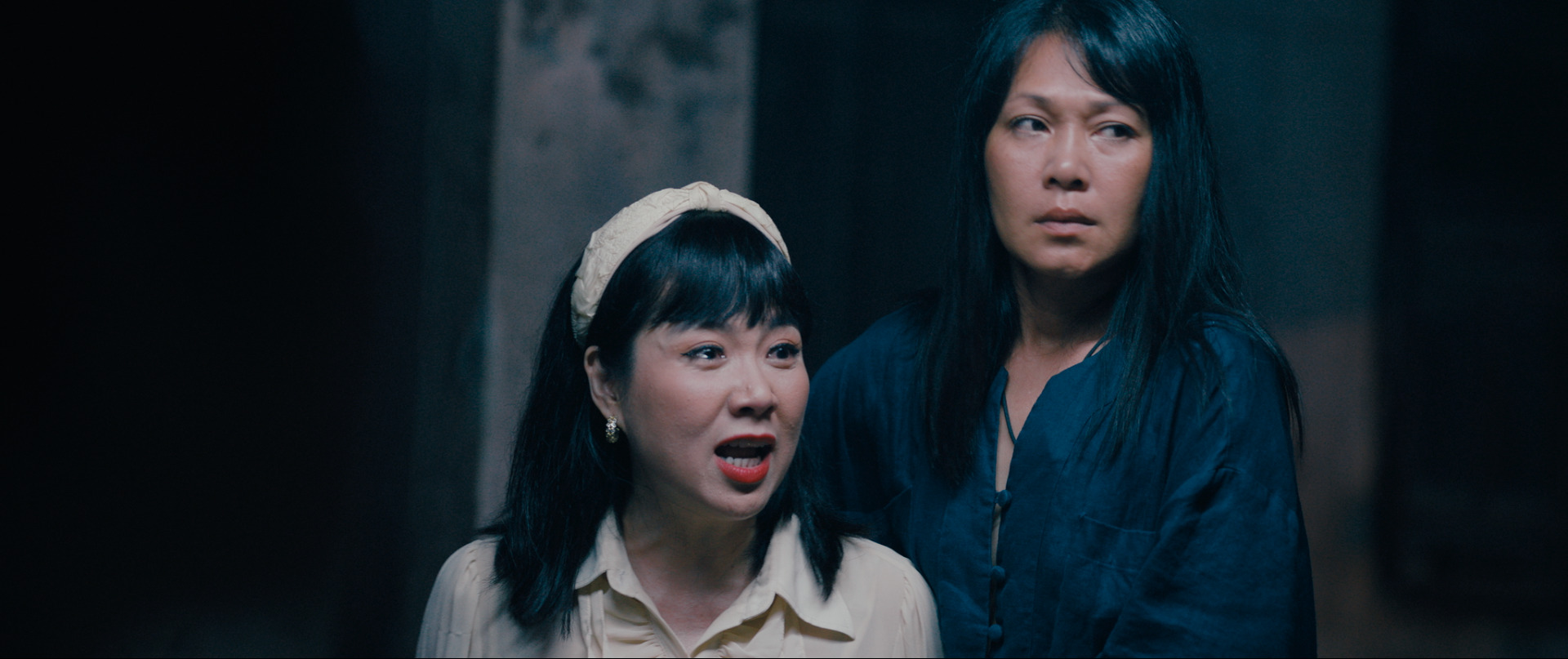
Q: This is an overwhelmingly female-led narrative, yet you are a male director. What drew you to this story, and where did the inspiration for these characters come from?
Khuong Ngoc: In Vietnam, we have a joke that when two women working together can’t talk peacefully for more than a few minutes, and "war" would break out! So if the director were a woman, it would not be good on set. (Laughs)
But in all seriousness, I have always loved, cared for, and deeply respected women, and my films always center around female perspectives. The five sisters in this movie share many similarities with women in traditional Vietnamese households. Local audiences and the Vietnamese diaspora in the West resonate with it heavily because they see their own mothers, aunts, and neighbors on screen—it unlocks deeply buried, nostalgic memories of home. I also used my own experiences and a lot of real-life stories to shape these characters. In fact, the core personality of the main character was heavily inspired by traits of my late father.
Q: The opening sequence showing the family gathering to prepare food in the countryside is incredibly chaotic and high-strung. Was that intended to be a critique of the culture?
Khuong Ngoc: It’s not a critique at all. That sequence marks a transition where the city-dwelling characters step completely out of their modern comfort zones and return to the environment they grew up in. We shot those scenes using the characters’ points-of-view (POVs) to emphasise their internal discomfort. Even though they grew up there, they've lived in the city for so long that they are no longer used to it.
And the scene is noisy, and the people are loud, but that is simply an honest, objective portrayal of countryside life. People from the countryside are naturally loud, generous, and comfortable with everyone. And they have known the sisters from when they were young. So, portraying it this way is not a critique, but rather to illustrate the difference in cultures and the discomfort the characters feel going back home.
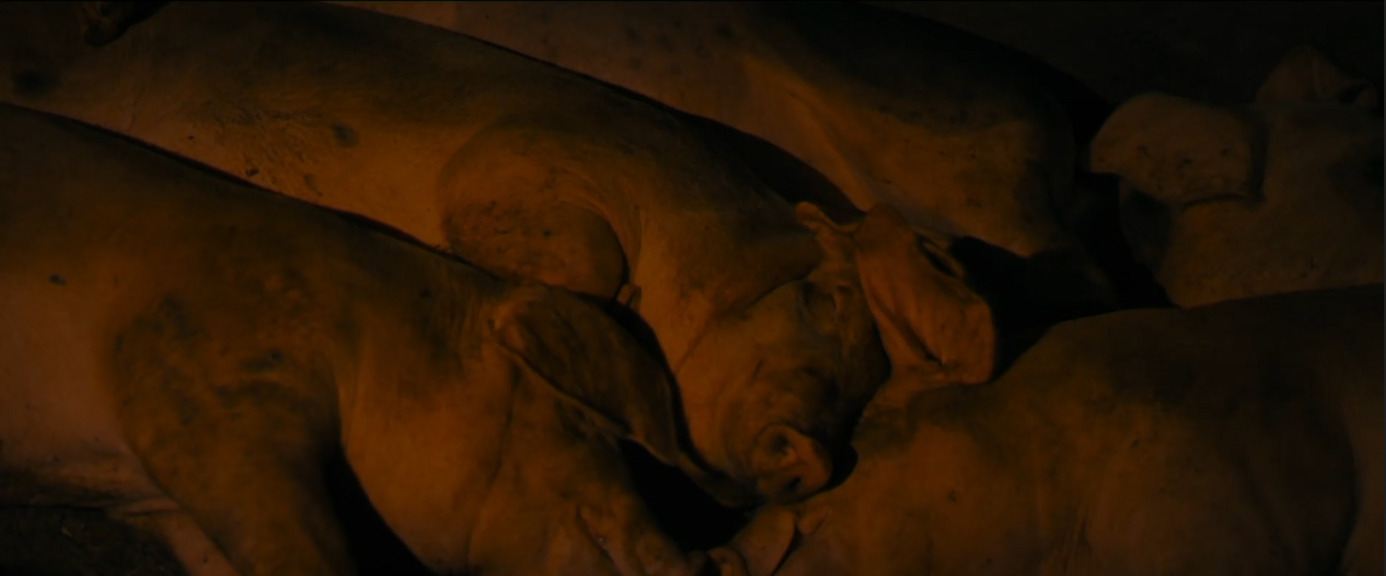
Q: There is a striking moment toward the end of the film where, after the sisters reconcile in the rain, and the camera cuts to a shot of pigs snuggle asleep in a pen. What is the symbolism there?
Khuong Ngoc: The pigs act as a direct allegory for the sisters' relationships. Throughout the film, the pig pen is shown as a decrepit space that needs to be repaired, mirroring the state of the family. When the sisters are fighting and screaming, the pigs are shown acting chaotically and aggressively toward one another. But once the sisters overcome their differences and make up, the pigs become friendly and sleep peacefully. Raising pigs is a staple of Vietnamese countryside life, so it fits the setting perfectly. Plus, the sound of fighting pigs is as annoying as the arguments among the sisters. (Laughs)
Q: The ancestral house is a central piece in the film, acting almost like a character in its own right. How did you track down that location, and how did it influence your shooting style?
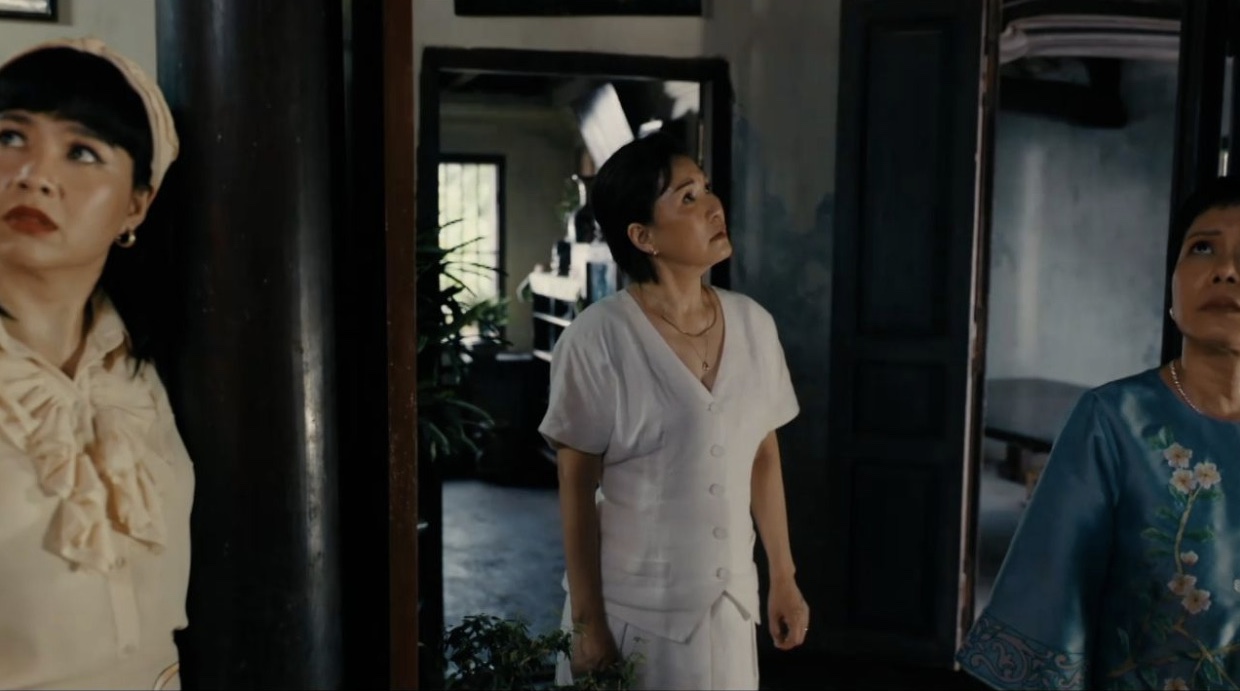
Khuong Ngoc: The working title for the film was actually The Ancestral Home. We randomly found this abandoned house covered in vines and trees during location scouting. It was a beautiful, rare combination of French architecture and traditional central Vietnamese design, so it felt very true to Vietnam’s culture. Right next to it sat a tiny, downgraded house, which was a sign from the universe because it perfectly matched our script requirements. The house serves as a core metaphor for the family. As they repair it, they only replace the pieces that are broken, but the central soul and core architecture remain completely intact—and the sisters are the soul of the house.
Visually, we used a lot of "frame-in-frame" technique as the house was naturally full of columns and structural dividers. We used those lines to create many different frames—rectangles, triangles, squares—around the characters. Before their reconciliation, we deliberately shot them trapped inside these individual "boxes" or "coffins" to show how stuck and lonely they are in their own perspectives and emotions.
Q: You have an extensive background as both a film and theater actor. How did that experience shape your approach as a director?
Khuong Ngoc: It helps me immensely when communicating with my cast because I understand an actor's point of view and know exactly how to convey direction in a way that is easily understood. Furthermore, performing in live theater gives you a real-time, intuitive understanding of audience reactions. You learn exactly how to build tension or deliver comedy to trigger an emotional response, and you stay sharp on how audience tastes are changing. So my experiences as an actor have made me more understanding of the actors I direct as well as the audience preferences.
Q: After exploring a thriller style in the past and now a heavy family drama with The Real Sister, what kinds of stories do you want to tackle next?
Khuong Ngoc: I don’t like to limit myself by genre labels or gender focus; I am invested in emotional human stories. My upcoming film, Luck for Sale (releasing this September), is still a family drama at its core, but it features a much more thrilling and funny tone that makes it an entertaining watch.
Moving forward, I want to explore real stories about small, ordinary people who possess great, inspirational characteristics. Finding the inspirational in the everyday is what will come next.
Watch the full interview on CinemaWorld YouTube. If you’re interested in more Southeast Asian films, check out our curated list here.
Want more exclusive behind-the-scenes content, international premieres, and box office hits? Join our community of film lovers today.
Subscribe to CinemaWorld now for the best of international cinema.


